



— By Ken Huening —
How to mitigate the risks rodents pose to the foodservice and restaurant industries.
Rodents have been a problem for the food industry since the first food cart operator started hawking meat pies in the Middle Ages. But the problem has exploded in scope in recent years. According to a recent study published in the journal Science, 69% of cities studied, including Washington, D.C., San Francisco, New York City, Oakland, Buffalo, Chicago, Boston, Kansas City and Cincinnati, had significant increases in rat populations in the period studied. Warmer temperatures extending breeding seasons and growing human populations in cities are just two of the factors contributing to more rodents, and more rodent problems for restaurants and the foodservice industry.
Outdoor restaurant kitchens have also gained in popularity with new construction spend expecting to exceed $50 billion. These kitchens require compliance to state health codes which mandate the protection of the work surfaces from rodents, insects and debris (dust/dirt). One of the main concerns with the presence of rodents in a restaurant is the bacteria and viruses they can spread. Hantavirus, leptospirosis, rat bite fever and even the plague can be spread through bites, droppings and urine. Outdoor kitchens and food preparation surfaces are naturally at higher risk for rodent exposure.

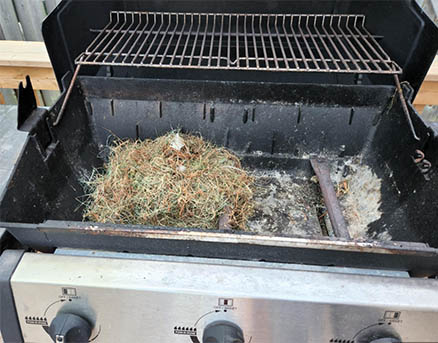
Controlling rodent populations at restaurants begins with proper food storage and trash management. Especially in outdoor spaces, trash cans should be emptied several times a day. Tables and chairs should be cleaned of debris and wiped down to remove food residue. The food prep areas and around tables where guests are dining should be swept clean throughout the day and washed and disinfected to deep clean any grease residue or food scraps from the surface on a regular schedule or as large spills occur. These provisions are all outlined in the state Health and Safety Code as it pertains to outdoor kitchen and food preparation and service areas.
Traps are often placed around restaurant parking lots and near dumpsters. While rodents may enter the traps and eat the poison inside, the traps are also counterproductive. They are designed to attract rodents to them — thereby attracting rodents to the area around a restaurant, which is not ideal. Another drawback of traps and rodent poison is that after the rodent consumes the poison its body becomes contaminated. Scavenger birds and animals that might later eat the rodent could also be impacted by the poison. There are states like California that have now mandated the restriction of certain poisons to reduce the collateral harm to other species, but it also makes the poisons less effective.
In California, the restraint health code requires restaurants to install rodent resistant covers on outdoor cooking and food preparation surfaces. This is a requirement that should and will likely be adopted in other states as well. As rodent populations increase, the likelihood of an outdoor food prep or cooking surface like a grill being contaminated by rodents when not in use also grows. Keeping outdoor surfaces clean is more of a challenge to begin with, and since employees may cut corners when it comes to cleaning before or at the end of a shift to save time, restaurants can benefit from reducing exposure by using covers to deter rodents and keep out dust, dirt and other debris.

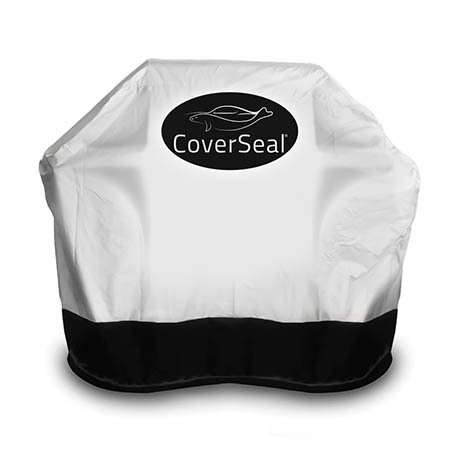
When selecting a cover to be proactive or comply with local code requirements, restaurants should keep in mind that there is no such thing as a rodent-proof fabric regardless of what some vendors claim. Rodents can chew threw bulletproof fabrics like Kevlar. A certain type of fabric is not going to keep out a rodent, but providing a barrier of entry helps. Rodents do not like sitting in the open for long, so if a cover is blocking them from gaining entry to a potential food source they are going to quickly move on to easier plunders. Creating a blocking barrier like a cover sealing the entrances to the work areas is an effective solution for keeping rodents out, even if they could chew through the cover if they really wanted to.
Beyond protecting food and beverage products from rodent exposure, restaurants also need to be vigilant about the cleanliness of dishes, utensils, cooking equipment and food preparation surfaces indoors. Storing food items off the floor and in sealed containers will not totally prevent rodents from accessing them; however, it can slow their progress and make the food less appealing by creating more barriers. An organized and cleanly kitchen with fewer hiding places for rodents to lurk also reduces appeal. When faced with the option of a dumpster filled with food scraps that is isolated and quiet compared to a bright, noisy kitchen, with food stored in less accessible containers, rodents are likely going to opt for the dumpster.
The reality is, rodents will always be a challenge for the foodservice industry. Making a restaurant completely rodent-proof is basically impossible. Rodents can smell food through plastic and cardboard packaging. Rodents can also chew through nearly any material including wood, wallboard, plastic bins and metal fiber. Industry hacks like using ultrasonic rodent determent products, putting out products that have an odor that rodents supposedly do not like, and others are just that: hacks. Rodents live in some of the most deplorable conditions surrounded by decay, and while strange noises and smells may send them scurrying for a period of time, they will eventually adapt.
Putting barriers between rodents and their food, proper food storage and regular cleaning can help control rodent populations and limit their activity around restaurants. Consistent and thorough rodent management protocols can help restaurants reduce current rodent activity and help mitigate it in the future.
— Ken Huening is the inventor and CEO of CoverSeal, which he created as an easy and complete protection solution. Website: www.getcoverseal.com.