


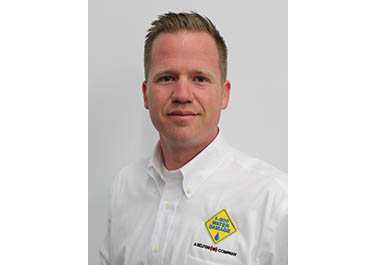
— Interview with Austin Duchaine & Shawn Hester —
Breaking down the most common water-related issues experienced by restaurants — and how to prevent, mitigate and recover.
For independent restaurants operating in aging buildings, a hidden water leak can quickly escalate from a maintenance issue to a financial crisis. Older plumbing systems, grease-clogged drains and HVAC condensation failures increase the risk of sudden shutdowns, especially in older retail centers and standalone locations. When a restaurant is forced to close for even a few days, the financial impact compounds fast, creating lost revenue, wasted product, accumulating fixed costs and loss of profit margins. Worse, if mold is found because of water damage, health scores can be impacted, damaging their reputation. Below is an important conversation with 1-800 WATER DAMAGE on these and other timely water-related topics.
R&R: Spring weather brings heavy rain and rapid temperature swings. Why is this time of year particularly risky for independent restaurants?


Shawn Hester: Spring creates a perfect storm for building issues. We see a lot of roof membrane expansion problems, deteriorating caulking and flashing that allow water to seep in, and ice damming that melts to expose hidden vulnerabilities. Frozen pipes that cracked during winter can thaw and begin leaking without anyone realizing it. Often, the first sign is a musty odor or visible mold growth. Mold becomes a major focus this time of year.
Austin Duchaine: Mold is definitely a big concern. Additionally, small leaks that go unnoticed during winter can quickly escalate once temperatures rise. Hail damage can also create pinhole leaks in roofing systems, which may not be obvious right away but can eventually force a restaurant to shut down — especially if roof replacement and mold remediation are required.
Hester: Our biggest focus is minimizing business interruption. We work to get restaurants back open as quickly as possible because loss of revenue is often the most damaging consequence.
R&R: How do spring storms expose vulnerabilities in older restaurant buildings that may have gone unnoticed during winter?
Hester: Many restaurant operators don’t own their buildings, and maintenance can sometimes be overlooked. Owners are focused on bringing customers in the door and refining their menus, not inspecting roofs or checking for mold issues that could shut them down. In older facilities, HVAC systems are often neglected. Indoor air quality can suffer for years before anyone realizes the extent of the problem. We’ve seen inches of dust buildup in ductwork, which is costly and time-consuming to remove. Older systems are also harder to source parts for, which can significantly increase downtime. In those cases, we provide temporary heating or cooling solutions to keep businesses operating.
Duchaine: Spring storms can expose damage that occurred during winter, as well as issues caused by fallen leaves that clogged roof drains in the fall and winter months. When water can’t drain properly, it finds its way into the building. Rising natural humidity is another factor. As more businesses turn on their air conditioning, condensation issues can exacerbate mold growth and increase microbial activity in the air.
R&R: What are the most common water-related issues you see in restaurants during the spring months?
Duchaine: Clogged floor drains are very common. When heavy rain hits, those drains can overflow into the restaurant.
Hester: We frequently see floor drains backing up into dining areas. HVAC leaks and clogged condensation lines are also common. Sink drains can become blocked due to lack of maintenance, which leads to similar water intrusion issues.
R&R: Many operators focus on customer traffic and seasonal menu changes in spring. Why should infrastructure checks be part of that transition plan?
Hester: Loss of business is the Number 1 insurance payout related to water claims. That’s where insurance companies incur the highest costs. Conducting periodic inspections and maintenance can significantly reduce the likelihood of business interruption.
Duchaine: I compare it to personal health. You can focus on work and family while neglecting your health… until something serious happens. At that point, it becomes an emergency, and the cost of fixing the problem far outweighs the cost of basic upkeep. Restaurant owners are busy, but postponing maintenance often leads to larger expenses and even more disruption down the road.
R&R: What immediate steps can restaurant owners take this week to reduce their risk before peak storm season begins?
Hester: Make sure your roof and gutters are functioning properly. We visit many restaurants where it was obvious the roof was compromised long before it was blown off during a storm. Once a roof fails, the disruption is severe. Even flat roofs can’t always be effectively tarped, which makes it far more complicated than addressing small issues early.
Duchaine: Create a seasonal checklist. Schedule HVAC inspections, conduct a visual roof inspection and review basic building maintenance. Test your sump pump and confirm that a battery backup system is in place and operational.
R&R: How do clogged roof drains or HVAC condensation lines contribute to interior water damage during spring storms?
Hester: Water will always find a way in. When roof drains clog, water pools and puddles. If it doesn’t dry quickly, especially on a rubber roof, it will find the path of least resistance, often straight into the building. Once water penetrates, insulation begins to fail and materials deteriorate quickly. What starts as minor pooling can escalate into significant structural damage.
R&R: If a restaurant experiences minor water intrusion but stays open, what hidden risks could develop days later?
Hester: Even a minor leak can cause significant hidden damage if it’s not properly dried. Water can wick up drywall as much as 2 feet. If you only dry the carpeting and don’t address the walls quickly and thoroughly, the damage can spread. That’s why bringing in a professional restoration team right away is critical.
All mold needs is darkness and dampness to begin growing. Leave moisture untreated for weeks or months, and the problem multiplies. This is why it’s important to hire a qualified restoration company — not just a janitorial service. We use thermal imaging cameras and moisture meters to detect hidden water and dry affected areas quickly, especially in restaurants and hotels where minimizing business interruption is essential.
Duchaine: Hidden damage can continue to multiply even 2 or 3 days after the initial intrusion. A company like ours can contain the issue quickly, potentially limiting the impact to a small, quarantined area instead of forcing a full shutdown.
Hester: It all comes back to loss of business. That’s the biggest risk for restaurants.
R&R: For operators in older retail centers or standalone buildings, what warning signs should prompt a professional inspection before the next major storm?
Hester: Stained ceiling tiles are a clear warning sign. Bubbling paint, warped baseboards or visible pooling water on the roof all indicate water infiltration.
Duchaine: Watch for water spilling over the edges of the roof instead of flowing properly through downspouts. Also pay attention to odors — damp, musty smells or heavy, humid indoor air can signal hidden moisture issues.
Hester: Education around inspections is critical. Independent operators, in particular, often face extremely high insurance deductibles, sometimes up to a million dollars. The longer an issue goes unaddressed, the more money ultimately comes out of their own pockets. Proactive inspections can make a significant financial difference.
— Austin Duchaine is the owner of 1-800 WATER DAMAGE, and Shawn Hester is the director of operations of 1-800 WATER DAMAGE in Harrisburg, Pennsylvania. Duchaine has been immersed in the construction and trades industry since the age of 14. At 20, he founded a successful drywall business, laying the groundwork for his entrepreneurial journey. Hester has 25 years of experience in restoration and construction management. From his days coordinating search-and-rescue with USAF to orchestrating natural disaster restoration, he’s always one step ahead, leveraging cutting-edge technology to optimize outcomes.