
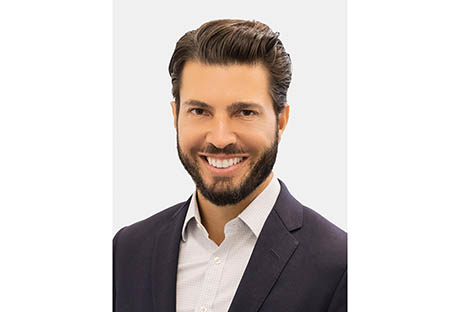
— Interview with Michael Montagano —
Introducing Dog Haus’ new franchise model centered on operator ownership and leadership.
As Dog Haus celebrates 15 years since its launch in Pasadena, California, the brand is introducing a new franchise model designed to elevate the role of operators and redefine what partnership looks like in the industry. This summer, Retail & Restaurant Facility Business interviewed CEO Michael Montagano to learn more about Dog Haus’ decision to put operators at the center of ownership, leadership and decision-making — creating a true partnership in franchising.
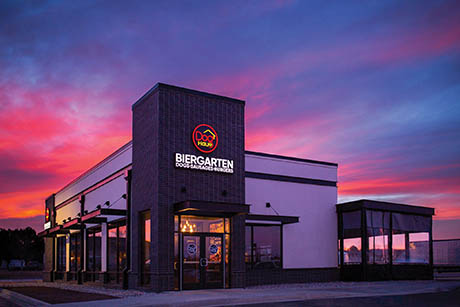
R&R: What fundamental problem in the traditional franchise model were you trying to solve with this shift toward operator ownership?
Michael Montagano: “We are solving the disconnect that exists in many franchise systems between the people making decisions and the people operating restaurants every day.
“Too often, operators carry the operational responsibility but have limited influence over the direction of the brand. We believe the best operators should have a much larger role in leadership, growth and strategy alongside mutually aligned economic incentives.”
R&R: Why make this move at your 15-year milestone? What changed internally or in the market to make this the right moment?
Montagano: “Fifteen years felt like the right moment because the brand has reached a new stage of maturity. Over the past several years, we’ve strengthened our unit economics, built national brand awareness through strategic and innovative marketing, and developed the operational infrastructure needed to scale at a much higher level.
“Through the Area Director structure, we’re partnering with highly experienced multi-unit operators who have overseen dozens, and in some cases hundreds, of restaurants across large regional markets.
“We believe combining strong centralized brand leadership with elite regional operators creates a much stronger foundation for long term growth, operational consistency and smarter national expansion.”
R&R: How much of this decision was driven by challenges in franchisee recruitment, financing or retention?
Montagano: “This wasn’t a reactionary move. It was a strategic decision based on where we believe franchising is heading.
“The industry is evolving, and operators are asking more thoughtful questions around alignment, economics and long term partnership. We believe the brands that win over the next decade will be the ones that create real alignment with operators, not just transactional relationships.
“This model positions us well for that future.”
R&R: How are incentives aligned differently? What behaviors does this model encourage that the old one didn’t?
Montagano: “The traditional franchise model can sometimes create competing priorities between franchisor growth and franchisee profitability.
“Our model aligns incentives around long term operational success. Area Directors are economically invested in the performance of their regions. They will self-develop a portion of the territory while also coaching and supporting franchisees across the market.
“That creates a culture of mentorship, accountability and collaboration where experienced operators are invested in helping other operators succeed.
R&R: Who is the ideal operator for this model? Experienced franchisees, first-time entrepreneurs or industry veterans?
Montagano: “For Area Directors, we’re looking for elite multi-unit operators with significant regional experience and a proven track record leading large restaurant organizations.
“At the franchisee level, we’re looking for strong operators and entrepreneurs who want to grow within a system that offers real support, operational leadership and alignment.”
R&R: How do you maintain brand standards when operators have more ownership and autonomy?
Montagano: “This model actually strengthens brand standards because regional leadership is being driven by some of the strongest operators in the industry.
“Our Area Directors have extensive operational experience and a direct stake in the success of their territories. They’ll work closely with franchisees to coach, support and drive performance across the region.
“It creates more accountability and stronger operational support at the market level.”
R&R: How does this impact your long term growth targets?
Montagano: “We believe this creates a stronger and more scalable growth model.
“As we expand domestically and internationally, having experienced operators leading regional territories gives us stronger infrastructure, better operational support and more consistency across the system.
“For us, growth is not just about opening restaurants. It’s about building high-performing regional ecosystems led by exceptional operators.”
R&R: Five years from now, what does success look like for this model and how will it redefine what it means to “own” a restaurant in your system?
Montagano: “Success means building one of the most operationally aligned franchise systems in the industry.
“Five years from now, we want operators to feel like true partners in the growth of the brand, not just franchisees operating individual restaurants.
“Our Area Directors will help lead regional growth, support franchisees and shape the future of the system alongside corporate leadership. If we succeed, it will redefine franchising as a much more collaborative and operator-driven model.”
— Michael Montagano is the CEO of Dog Haus.