

— By Marc Mascarello —
How hidden air diffusers are changing commercial interiors.
Walk into a beautifully designed restaurant or retail space, and your eyes are drawn to the details — the layered lighting, the textures and materials, the sense of flow and spatial balance. But when HVAC components like air vents or grilles jump into view, they can interrupt that visual harmony in an instant.
Mechanical systems are essential to occupant comfort, yet they’re often considered late in the design process or treated as background elements to work around. The result is distracting ceiling clutter, uncomfortable temperature zones and last-minute compromises that can undermine both aesthetics and performance.
As expectations for comfort and seamless design continue to rise — especially in brand-driven environments like shops, cafés and restaurants — there’s growing demand for HVAC solutions that don’t just function well, but fade into the background. Nearly invisible air diffusers offer a thoughtful way to elevate comfort without disrupting the design.
The Unseen (But Felt) Power of Airflow
While air is invisible, its effects on a space are anything but. Customers may not consciously notice airflow, but they respond to it — physically and emotionally. A draft at the back of the neck, a stuffy corner or a loud whoosh overhead can all affect how a space feels.
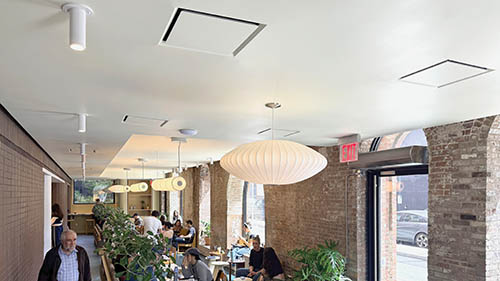
That’s especially important in hospitality and retail settings, where comfort translates to longer dwell times, repeat visits and brand loyalty. Creating an environment that feels good requires more than just temperature control. It calls for intentional air distribution that accounts for acoustics, circulation patterns and spatial zoning. Unfortunately, many projects still rely on traditional metal grilles or louvered vents. These familiar components can disrupt sightlines, generate noise and clash with custom ceiling elements like recessed lighting or architectural finishes. In design-forward spaces, they often fall short of expectations.
Making Air Disappear
Newer diffuser designs allow for systems that perform well and remain visually discreet. Slim-profile or linear air diffusers, often made from composite materials, are designed to blend into ceilings and walls, reduce noise and resist condensation or corrosion over time. They can be color-matched to surrounding finishes, tucked into reveals, or installed along the perimeter of a room. Their flexibility makes them ideal for ceilings with skylights, decorative lighting or acoustical treatments that limit placement options for traditional ducts. This approach creates a cleaner, more cohesive interior. It also allows designers and mechanical teams to deliver consistent performance without sacrificing aesthetics.
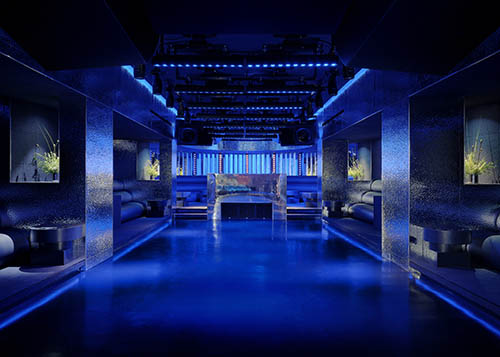
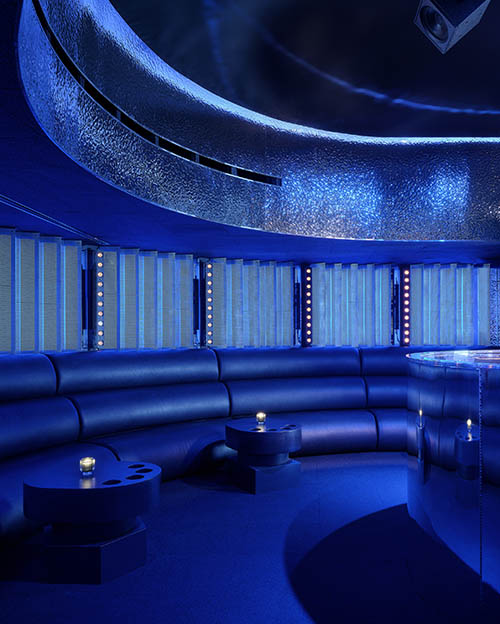
One example is Unveiled, an upscale cocktail bar with sculptural ceiling forms and atmospheric lighting. The space relies on curved architectural details and a moody material palette to create an immersive experience. Standard air diffusers would have interrupted this flow, both visually and acoustically. Instead, low-profile air diffusers were recessed into the ceiling, delivering even airflow while remaining virtually undetectable to guests. The result is a space that performs as beautifully as it looks — comfortable, cohesive and uninterrupted by mechanical noise or visual clutter.
Indoor Air Quality and Guest Expectations
Today, indoor air quality (IAQ) is more than just a behind-the-scenes concern. Guests expect clean, well-ventilated spaces, and in many cases, it has become a defining part of a brand’s wellness promise. While upgraded filtration systems are increasingly common, they only go so far if airflow isn’t properly distributed. Poor diffuser placement can create stagnant pockets, direct air too forcefully onto guests or allow odors to migrate between zones.
Retail stores that use scent as part of the brand experience, or restaurants that aim to separate kitchen and dining areas, require a thoughtful approach to how and where air moves. Discreet diffusers help ensure even, efficient circulation without disrupting the experience.
Start Early, Avoid Compromise
A common challenge in retail and restaurant renovations is treating HVAC coordination as an afterthought. If diffuser types and placements are selected late — after ceiling plans are finalized or lighting layouts are in place — projects often end up making aesthetic sacrifices or accepting less-than-ideal performance.
Instead, these conversations should begin early in the design process. Coordinating mechanical needs with architectural and interior goals from the start allows for better integration and fewer compromises. It also reduces the need for field adjustments, change orders or post-construction fixes. Early planning is especially valuable in multi-site rollouts or branded environments where consistency is key. Choosing the right diffuser solution once and applying it across locations can help maintain brand standards while delivering reliable performance.
Design Shouldn’t Stop at the Ceiling
Great design is about more than what you see. It’s about how a space makes people feel and how it performs over time. In modern retail and restaurant settings, invisible air diffusers support both those goals by enhancing comfort without compromising the design vision.
They aren’t meant to be noticed. In fact, their true value lies in what you don’t see — no dust buildup, no visible rust, no mismatched metal plates interrupting custom finishes. Just quiet, even airflow and a ceiling that looks exactly how the designer intended.
When every detail matters, airflow should be part of the conversation. Nearly invisible diffusers offer a simple but impactful way to improve comfort, aesthetics, and customer experience in one move. Because sometimes, the best design is the one you don’t even notice.
— Marc Mascarello is the head of design at Invi Air, a leader in design-centric air diffusers, vents and grilles. Mascarello has over 10 years of experience in the fields of fabrication and architecture.