

— By Liz Snyder —
How glass wall systems are emerging as a strategic investment for retailers.
Today, the most successful retail stores aren’t designed solely for transactions; they are experiential and foster emotional connection. A well-designed store engages customers and attracts prospective shoppers, even when staff are busy. To do so, many retailers are incorporating hospitality-inspired elements, such as cafés, restaurants and communal gathering areas, into their layout design, transforming furniture and retail stores into lifestyle destinations.
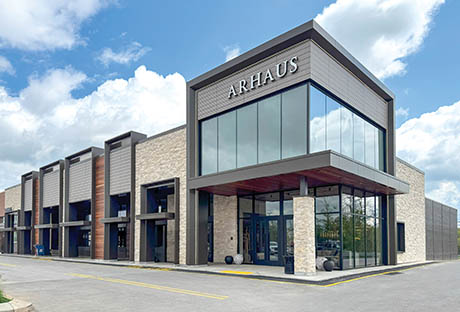
Floor plans that prioritize openness, natural light and seamless flow enhance the customer experience, fostering extended visits and repeat traffic. To support this shift, architects and designers are increasingly turning to flexible storefront and interior solutions, such as operable glass wall systems, that remove both physical and visual barriers, allowing spaces to adapt and connect more directly with customers. Operable commercial glass entrance doors give passersby a clear view of what is offered inside the establishment. Flexible, experience-driven design solutions are becoming essential tools for creating adaptable spaces that support both engagement and long term performance.
Enhancing Engagement Through Design
Customers are more likely to enter spaces that feel open, accessible and visually connected to the exterior. Commercial opening glass door systems make the show floor more visible from outside, admitting abundant natural light and fresh air to create a more spacious feeling interior. In furniture store design in particular, operable door systems play a key role in enabling retailers to create dynamic, adaptable environments that respond to changing needs, while encouraging customers to interact with spaces that reflect how they live or aspire to live.
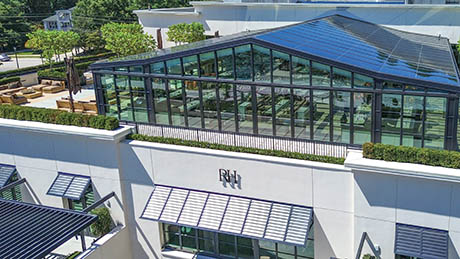
These strategies are already reshaping how leading furniture retailers design and operate their spaces. On the third floor of RH in Raleigh, North Carolina, the rooftop restaurant, a part of the retail experience, was designed to blur the lines between residential and retail, indoors and outdoors, and home and hospitality. An opening glass wall system was selected to reflect RH’s residential-inspired design language, featuring slim profiles and a steel effect finish that visually integrates with the gallery’s architecture. When opened, the operable wall allows the dining space to shift seamlessly between enclosed and open-air configurations, maintaining daylight, views and a strong connection to the surrounding city. When closed, the systems maintain security, comfort and clear sightlines, keeping spaces inviting year-round. The result is a dining environment that can respond to changing conditions throughout the day and across seasons, creating a truly experiential setting for the customer, whether the system is open or closed.
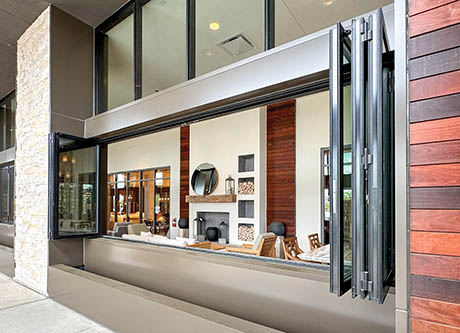
Other furniture retailers are using similar systems to open up the sales floor itself. At Arhaus in Wexford, Pennsylvania, folding glass windows were selected to create an open-air shopping environment that maintains a continuous connection between interior and exterior spaces. Transparent storefronts admit natural light and reinforce an indoor-outdoor lifestyle, inviting customers to linger and explore while protecting merchandise from poor weather and after-hours exposure.
Together, these examples illustrate how flexible, light-filled interiors enhance the shopping experience and better meet customers’ lifestyle-driven expectations.
Flexible Spaces, Reliable Performance and Lasting Value
Operable glass walls provide retailers with a flexible way to transform conventional spaces into revenue-generating environments. When opened, showrooms, patios, rooftops or event spaces flow together as a single, interconnected area. As shown at RH and Arhaus, retailers can quickly reconfigure these spaces to accommodate seasonal changes, events or merchandising updates, without permanent construction, while performing reliably year-round.
Multiple operable system options, such as folding, sliding or frameless glass walls, support different operational needs, from daily storefront openings to rooftop restaurants or event spaces, enabling spaces to flex seamlessly between open and closed configurations. Thoughtful design integration ensures the systems support brand identity while allowing architectural elements to recede when spaces are reconfigured. At IKEA in Centennial, Colorado, for example, this approach was taken to create a flexible, multi-functional interior event space.
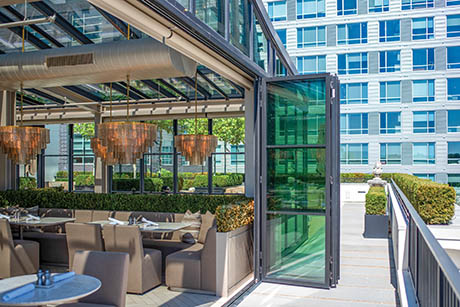
With the integration of frameless glass walls, this IKEA location is a good example of how operable glass wall systems can transform retail areas into versatile, engaging environments. Envisioned as a flexible, multi-functional space, IKEA Event Space was designed to support a range of gatherings and activities, while enhancing the overall customer experience. The frameless glass wall system allows the Event Space to open seamlessly into the store lobby during large-scale events, creating a “disappearing” effect that connects the event space to the main store, inviting customers in, encouraging interaction, while maintaining transparency when closed. The result is an adaptable environment that can shift easily between intimate settings and open, energetic gatherings, providing uninterrupted flow and smooth transitions.
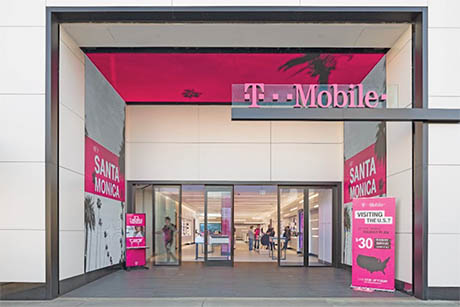
In high-traffic retail environments, doors must operate smoothly and consistently throughout the day. Commercial-grade operable glass wall systems are engineered for frequent use, with advanced locking mechanisms, optional panic hardware or door closers, and ADA-compliant sills to ensure security, accessibility and code compliance. Built to withstand heavy daily traffic, these systems minimize maintenance disruptions while ensuring a consistent customer experience. Slim profiles and customizable finishes allow retailers to future-proof their spaces with branded style and functionality.
Retail store design is no longer defined solely by what is on display, but by how spaces are experienced and remembered. Stores that invite openness, visibility and flexibility give customers permission to slow down, explore and engage in ways that feel enjoyable. As these environments become more dynamic by supporting dining, events and shopping within the same footprint, commercial glass walls and doors play an essential role in enabling that adaptability. The result is retail space that feels more welcoming and continues to deliver value long after the first visit.
— Liz Snyder is the director of product marketing at NanaWall Systems, where she has been driving product rollouts and digital marketing strategies for over 13 years. For more information, visit https://www.nanawall.com.