

— By Keith Etchells —
Revitalizing Diamond Bar Shopping Center through strategic remediation.
In retail real estate, environmental contamination can be a deal breaker. For property owners and investors, subsurface pollution such as solvents, hydrocarbons, heavy metals and other industrial byproducts can restrict the asset’s current and future uses and commonly comes with significant regulatory management costs. With the right combination of strategy, funding and technical expertise, resolving environmental challenges can be accomplished in ways that support long term property goals.
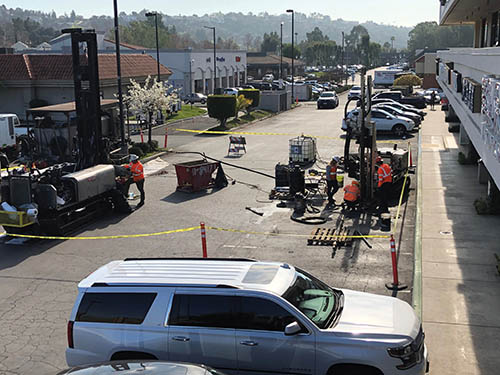
The owner of the Diamond Bar shopping center in Diamond Bar, California, confronted a significant environmental challenge: achieving regulatory closure for groundwater contamination while preserving the property’s commercial viability. This effort became a model for balancing environmental responsibility with economic sustainability. The project successfully met regulatory requirements by leveraging state partnerships and innovative remediation strategies without disrupting ongoing business operations.
Legacy Contamination Limits Property Potential
The multi-tenant retail center’s property carried a legacy issue common to many aging commercial properties: a former dry cleaner had left behind a chlorinated solvent plume in the subsurface. Because of the contamination, pursuing regulatory closure could not be completed until after extensive site assessment and cleanup.
This constraint limited the owners’ ability to reposition or redevelop the property, even as market opportunities shifted. For retail investors, unresolved contamination is more than a regulatory headache, it directly impacts how the property performs financially.
Funding the Fix: Unlocking State Resources
Securing funding for environmental remediation is often the single biggest hurdle for property owners facing legacy contamination. The costs associated with site investigation, cleanup design and implementation can be substantial, and many owners lack the capital or risk appetite to invest in these activities, especially when the contamination is historic and the responsible party is unavailable or unable to pay.
The Role of SCAP
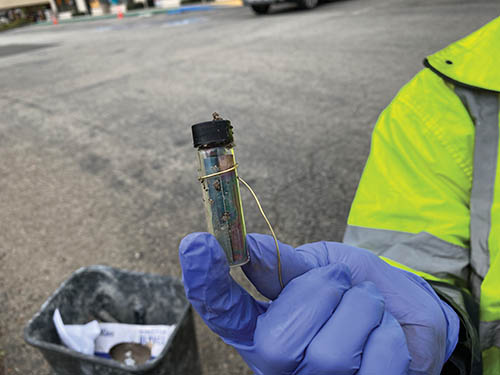
The turning point for the Diamond Bar shopping center came when the property owner pursued funding through California’s Site Cleanup Subaccount Program, known as SCAP. SCAP is a state initiative administered by the State Water Resources Control Board, designed specifically to address contaminated properties where traditional enforcement or cost recovery is not feasible. The program provides grants to public and private entities to investigate and remediate sites that pose a threat to human health, water quality or the environment.
SCAP is highly competitive and requires a detailed application process. Applicants must demonstrate the public benefit of the cleanup, the lack of viable responsible parties and the technical feasibility of the proposed remediation. For the Diamond Bar project, this meant assembling a comprehensive package of site data, historical records, risk assessments and a clear plan for using the grant funds to achieve regulatory closure.
The Application Process
The grant application process required collaboration with the property owner to capture the site’s environmental dataset, regulatory history and financial records to support the grant application process. This effort involved compiling technical reports on contamination and previous remediation efforts, developing a detailed scope of work with cost estimates and timelines, and engaging with regulators to ensure alignment with state and local requirements. The application process successfully secured over $1.7 million in grant funding across two SCAP awards. This external capital allowed the client to pursue an ambitious cleanup program without straining operating or investment capital and ensured uninterrupted site operations during cleanup.
The Broader Significance of Public Funding
The Diamond Bar project illustrates the critical role that public funding can play in overcoming the financial barriers to environmental remediation. Without SCAP, the property might have remained in a regulatory holding pattern for years. Instead, the infusion of grant funding enabled a proactive, science-based approach to completing assessment and cleanup.
The lesson for other property owners and investors is clear: Do not assume that legacy contamination is an insurmountable obstacle. State and federal programs exist to help bridge the funding gap, and reclaiming even complex sites is possible with the right technical and regulatory partners.
Overcoming Technical Barriers
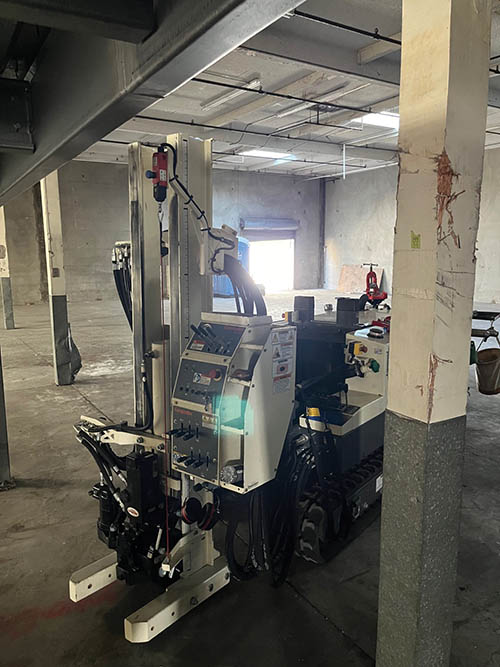
With funding secured, the focus for the Diamond Bar project shifted to executing a remediation strategy that could work within the site’s complex subsurface conditions. A groundwater remedial design was developed which included specialized drilling and injection equipment to deliver engineered chemicals to the subsurface contamination effectively across the site.
The first injection event served as a site-wide feasibility study, confirming that in situ chemical reduction was viable. It produced measurable reductions in contaminant levels and plume size. A second injection and a bench-scale treatability study will help meet final cleanup goals and support the request for regulatory closure.
Redevelopment-Ready Results
The Diamond Bar property is moving toward regulatory closure with remediation progressing under the second SCAP grant. The ultimate goal is to clear the way for plans that align with market opportunities unconstrained by any environmental conditions.
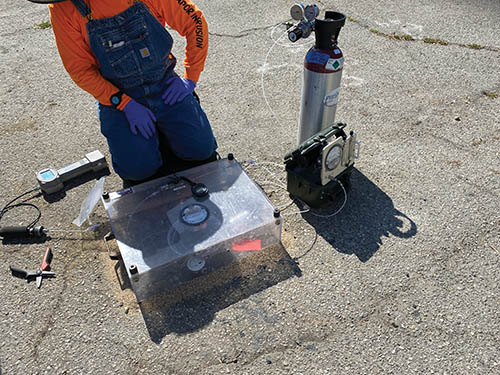
The cleanup also supports the surrounding community by protecting groundwater and helping sustain a well-used neighborhood retail center.
Lessons for Retail Property Owners & Investors
This case study provides practical guidance for retail property owners and investors facing environmental challenges at commercial sites:
• Do not walk away from contaminated sites. Many assume legacy issues are insurmountable, but programs like SCAP provide real funding solutions.
• Leverage technical and regulatory expertise. Engaging technical and regulatory experts with experience in remediation and funding strategies is essential for successful project outcomes.
• Invest in high-resolution data. A robust understanding of subsurface conditions avoids surprises and supports effective design, which helps keep projects on schedule and budget.
• Think long term. Remediation is not just about closure; it is about risk reduction, value recovery and positioning assets for future sale or redevelopment.
A Roadmap for Transforming Liabilities
The Diamond Bar shopping center demonstrates that environmental contamination does not have to stall property potential. With strategic alignment of funding, advanced technical tools and regulatory strategy, even sites with significant legacy issues are being repositioned as long term assets. Environmental consulting and remediation services play a critical role in helping commercial and industrial property owners address legacy contamination and regulatory challenges.
— Keith Etchells is a project director at SCS Engineers. He has more than two decades of experience as a professional geologist and hydrogeologist assisting clients in managing environmental risks associated with the ownership, transfer or operation of commercial, industrial and waste disposal properties. Email: [email protected].