

— By Natalie Clarke —
How air curtains deliver proactive, chemical-free pest control for retail and restaurant facilities.
For facility managers in retail stores and restaurants, flying insect control is a constant operational challenge. A single open door can invite flies into food prep areas, dining spaces and checkout lines — creating sanitation risks, failed inspections, and negative customer experiences.

The challenge is compounded by increasing pressure to reduce chemical use and adopt more environmentally responsible pest management strategies. Traditional tools like insect light traps and sprays still play a role, but they address the problem only after insects have already entered the space.
As a result, many facility teams are shifting toward a more proactive approach: stopping flying insects at the point of entry. One solution gaining widespread adoption is the air curtain or air barrier.
Why Doorways Are the Weakest Link in Insect Control
In high-traffic environments, doors are constantly opening and closing or remaining open altogether. Whether it’s a back receiving door, a customer entrance or a drive-thru window, these openings create a direct pathway for flying insects.
Common problem areas include:
• Back-of-house delivery and receiving doors
• Customer entrances with heavy foot traffic
• Drive-thru windows in quick-service restaurants
• Open-air service counters and concession stands
Once insects enter, they are difficult to fully eliminate without continuous reactive measures. This increases labor, maintenance costs and reliance on chemical or mechanical controls.
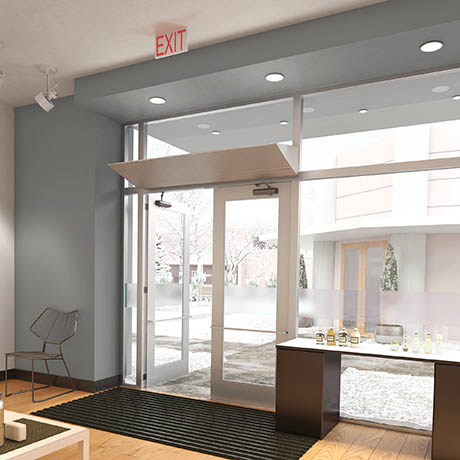
What Is an Air Curtain and How Does It Stop Insects?
An air curtain is a device installed above a doorway that creates a controlled stream of air across the opening. This airflow forms an invisible barrier that separates indoor and outdoor environments while allowing people and products to pass through freely.
Air is drawn from inside the facility and discharged downward through adjustable nozzles at high velocity, typically between 1,000 and 3,000 feet per minute. When properly installed, the air stream reaches the floor at the threshold, effectively sealing the opening and preventing flying insects from crossing into the building.
Unlike physical barriers such as strip curtains, air curtains maintain visibility and accessibility, making them well suited for customer-facing environments.
Moving from Reactive to Proactive Pest Control
Most pest control strategies in retail and restaurant environments are reactive. Insect light traps (ILTs), glue boards and electrocuting devices capture insects after they’ve already entered the facility.
Air curtains change that dynamic.
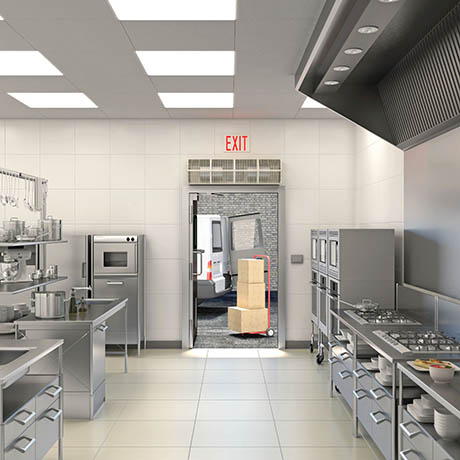
By creating a continuous air barrier at the doorway, they stop insects before they enter which reduces the overall pest load inside the building and minimizes the need for downstream control methods.
A real-world example illustrates the impact. A warehouse experiencing severe fly infestation relied on 40 insect light traps and multiple electrocuting devices, yet still struggled with constant insect presence. After installing air curtains at high-traffic entry points, fly infiltration dropped to less than 0.01%, allowing the facility to reduce its traps from 40 to just four.
For facility managers, this demonstrates a key shift: preventing the problem is often more effective and more cost-efficient than trying to manage it after the fact.
Critical Applications in Retail and Restaurant Facilities
Air curtains are most effective when applied at the highest-risk entry points. In retail and restaurant environments, these typically include:
Back Doors and Receiving Areas
Delivery doors are a primary source of insect entry, especially in foodservice operations. Installing air curtains at these locations helps protect interior spaces during frequent deliveries.
Customer Entrances
Front doors may seem less critical, but they often contribute to ongoing insect issues, particularly in warmer climates or urban environments.
Drive-Thru Windows
Drive-thru service represents a significant portion of quick-service restaurant transactions, making it a major exposure point. Specialized air curtain units designed for window openings can significantly reduce insect entry without disrupting service speed.
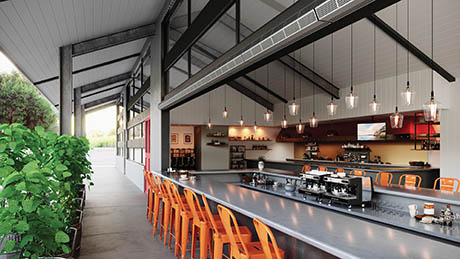
Open-Air Venues and Concessions
Stadiums, entertainment venues and outdoor-facing service counters benefit from air curtains to maintain sanitation standards while operating in open environments.
Supporting Compliance Without Chemicals
Health and safety regulations in foodservice environments continue to evolve, with increased scrutiny on pest control practices.
Some jurisdictions require air curtains at certain doorways, and federal guidance recommends their use in specific food processing applications. More broadly, there is a growing emphasis on reducing chemical usage in occupied spaces.
Air curtains support these goals by providing:
• A chemical-free method for insect prevention
• Reduced reliance on sprays and treatments
• Improved readiness for inspections and audits
For facility managers, this aligns pest control practices with both regulatory expectations and sustainability initiatives.
Operational Benefits Beyond Pest Control
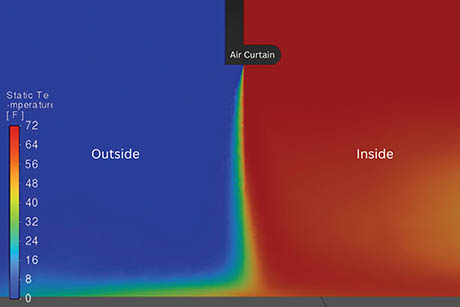
While flying insect prevention is the primary focus, air curtains also deliver secondary operational benefits that strengthen their overall value.
By limiting the exchange of indoor and outdoor air, they help:
• Reduce heating and cooling losses
• Maintain consistent indoor temperatures
• Improve employee and occupant comfort near entrances
Design Flexibility for Customer-Facing Environments
Air curtains have evolved significantly from their industrial origins. Modern designs allow them to blend seamlessly into retail and restaurant spaces.
Options now include:
• Recessed, in-ceiling units that resemble standard grilles
• Architectural finishes that align with interior design
• Compact models for smaller openings like drive-thru windows
This ensures that facility managers can implement effective insect control without compromising aesthetics or brand standards.
Best Practices for Maximizing Effectiveness
To ensure optimal performance, facility managers should focus on:
• Proper sizing: Units must fully cover the door opening
• Correct installation: Airflow should reach the floor at the threshold
• Certified performance: Independent testing helps verify effectiveness
• Strategic placement: Prioritize high-traffic and high-risk openings
Working with experienced installers or consultants can help ensure the system performs as intended.
A Smarter Strategy for Flying Insect Control
As expectations around cleanliness, safety and sustainability continue to rise, facility managers need solutions that go beyond reactive pest control.
Air curtains provide a proactive, chemical-free approach to flying insect prevention that stops pests at the door rather than managing them inside.
For retail and restaurant facilities, that shift can mean fewer complaints, smoother inspections, lower operating costs and a better experience for both employees and customers.
— Natalie Clarke is the marketing manager at Berner Air Curtains, a leading manufacturer of air curtain solutions for commercial and industrial applications.